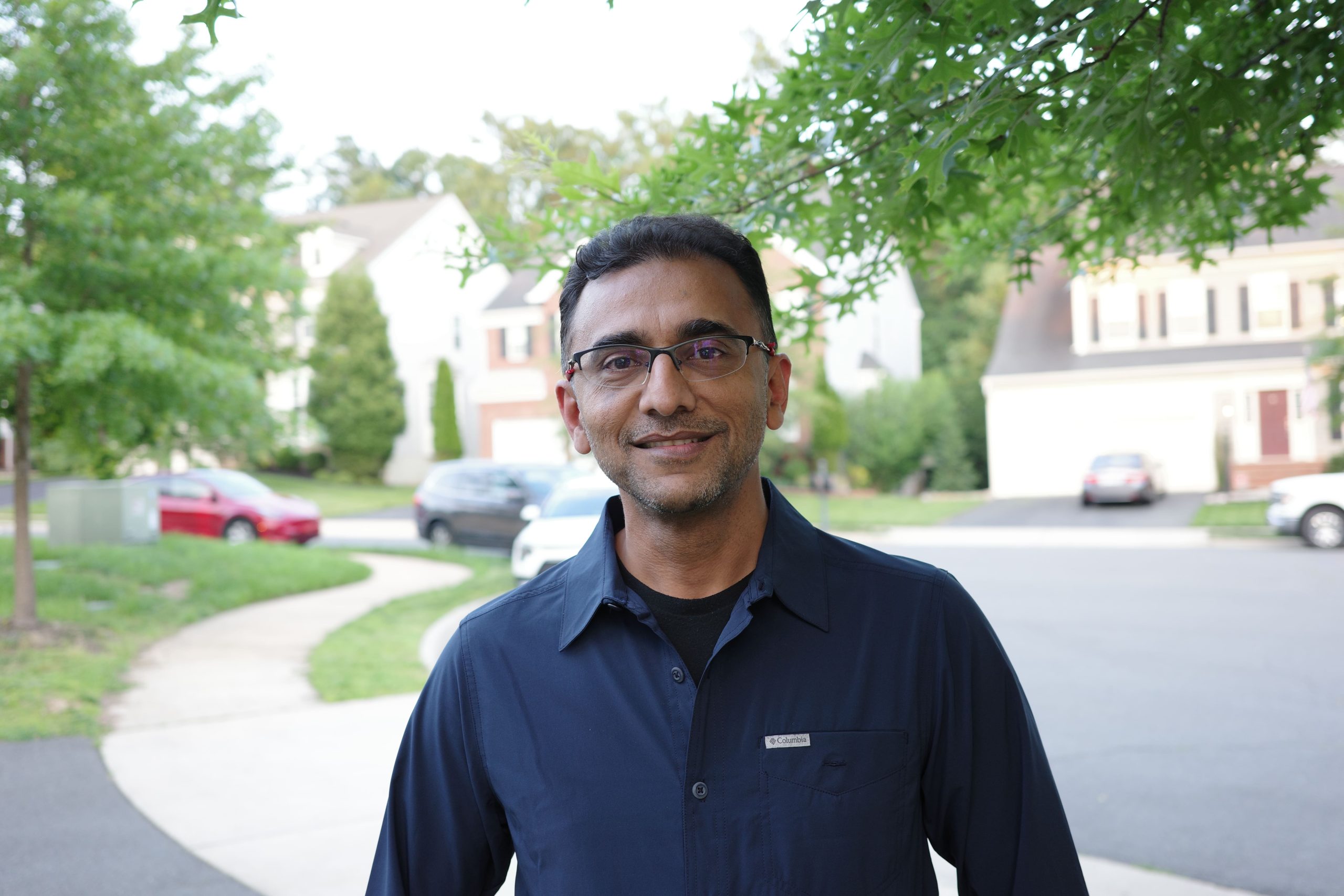
I grew up on the bustling streets of Mumbai, India, in a family of four. When it came to schooling, we had two options: private school or convent school. That’s how, growing up in a Hindu household, I was first introduced to Christianity.
From the mid-70s through the early ’90s, India began to change rapidly. The global media boom and shifting international markets opened up new windows to the world. Suddenly, we were seeing things we had never seen before. Images, ideas, stories pouring in through television, newspapers, and radio. That transformation came down to three things: what we could now see of the world, the messaging we were receiving, and the education shaping how we interpreted both.
Looking back, my time in a convent school wasn’t just about academics. It gave me, and others like me, something more; an early understanding of identity. The school didn’t just teach subjects; it taught us to think about our place in society. It made us ask: Who am I, and what role do I play in the world around me?
Community, I’ve come to believe, is essential to that process of self-discovery. Being around people from different faiths, backgrounds, and ways of life forces you to think, reflect, and grow. In Mumbai, this wasn’t something unusual, it was just life. The relationships I formed across religious lines never felt exceptional, they were simply part of everyday life.And in a city as cosmopolitan as Mumbai, those everyday interactions quietly shaped a mindset of coexistence.
The way I see it, the more people you meet, the more perspectives you gain. If you hold a strong opinion about someone’s culture or beliefs, chances are it comes from not knowing enough. The extreme views we see across South Asia or and around the world often stem from this refusal to learn. India is a beautiful, chaotic blend of religions and philosophies: Hinduism, Islam, Christianity, Jainism, and more. And in today’s digital world, access to information is no longer a privilege; it’s everywhere. You can’t claim ignorance in the age of the internet. So it’s up to each of us to be curious, to ask questions, and to build bridges instead of walls.
Time will pass, and all of us will fade. But while we’re here, we have a responsibility to create meaning. And that starts with opening our minds, embracing our differences, and choosing humanity.